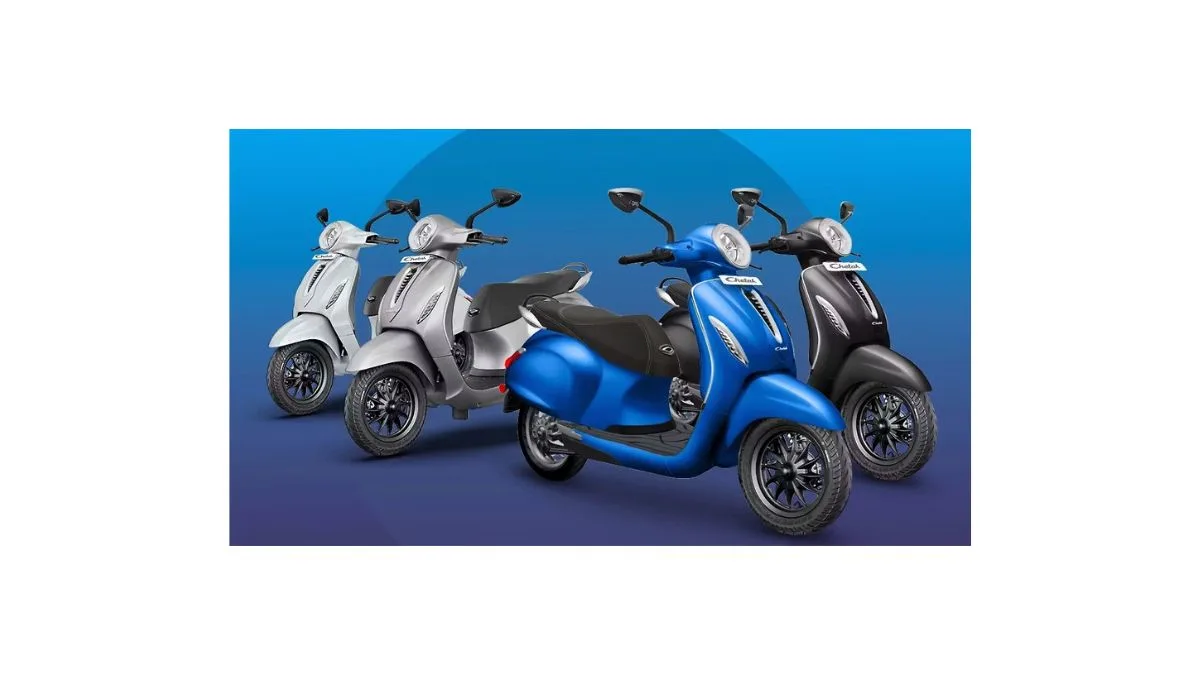
Bajaj Chetak Electric Scooter Launched With Massive 150KM Range – Powerful Stunning Ultimate EV
The iconic Bajaj Chetak Electric Scooter has made a remarkable comeback in the electric vehicle market, blending its legendary heritage with modern EV technology. For decades, the Chetak name has been synonymous with reliability and timeless design in India. Now, the scooter returns with a completely new identity an electric powertrain, smart connectivity features, and a premium design that stands out in the competitive EV segment.
Electric mobility is rapidly transforming transportation across India. With rising fuel prices and growing environmental concerns, electric scooters are becoming the preferred choice for urban commuters. Popular models such as the Ola S1, Ather 450X, and TVS iQube have already created a strong presence in the market. However, the new Chetak aims to offer something different—a combination of premium build quality, elegant styling, and dependable performance.
The latest version of the Chetak comes equipped with an advanced lithium-ion battery, impressive riding range, and multiple smart features designed for modern riders. Whether you are looking for a reliable daily commuter or a stylish electric scooter with a touch of nostalgia, the Bajaj Chetak Electric Scooter promises to deliver a balanced and refined riding experience.
In this detailed guide, we will explore everything you need to know about the Bajaj Chetak Electric Scooter, including its price, specifications, range, battery technology, design, features, performance, competitors, and overall value for buyers in India.
Bajaj Chetak Electric Scooter Overview
-
Manufacturer: Bajaj Auto
-
Scooter type: Electric
-
Body: Premium metal body
-
Range: Up to 150 km
-
Top speed: Around 70 km/h
This electric scooter blends classic styling with modern EV technology.
Bajaj Chetak Electric Scooter Price in India
Expected price range:
-
Base variant: ₹90,000 (approx.)
-
Mid variant: ₹1 lakh (approx.)
-
Top variant: ₹1.2 lakh (approx.)
The price may vary depending on state EV subsidies.
Battery, Range & Charging
Important battery details:
-
Battery capacity: up to 3.5 kWh
-
Maximum range: up to 150 km
-
Charging time: around 3–4 hours
-
Motor type: electric hub motor
This makes the scooter ideal for daily city commuting.
Design and Build Quality
Design highlights:
-
Retro classic styling
-
Strong metal body
-
LED lighting system
-
Premium paint finishes
The scooter keeps the classic Chetak heritage alive.
Features and Technology
Top features include:
-
Digital instrument cluster
-
Smartphone connectivity
-
Navigation support
-
Reverse mode
-
Ride modes
-
OTA updates
These smart features make the scooter modern and tech-friendly.
Pros & Cons
Pros
✔ Premium metal body
✔ Iconic design
✔ Good electric range
✔ Reliable brand reputation
Cons
✖ Slightly lower top speed
✖ Higher variants can be expensive
Comparison
Bajaj Chetak vs Other Electric Scooters
Competitors include:
-
Ola S1
-
Ather 450X
While some competitors offer higher speed, the Chetak stands out with premium build quality and classic design.
Conclusion
The Bajaj Chetak Electric Scooter is one of the most stylish electric scooters currently available in India. With its combination of retro design, premium build quality, smart features, and decent range, it is an excellent choice for city commuters.
If you want a reliable electric scooter with a premium feel, the Bajaj Chetak is definitely worth considering in 2026.
FAQ
1. What is the price of Bajaj Chetak Electric Scooter in India?
The price starts from around ₹90,000 and can go up to ₹1.2 lakh depending on the variant.
2. What is the battery range of Bajaj Chetak Electric Scooter?
The scooter offers a claimed range of up to 150 km on a single charge.
3. How long does it take to charge the scooter?
Charging usually takes 3 to 4 hours.
4. Is Bajaj Chetak better than Ola S1?
Both scooters are good, but Chetak focuses more on premium build quality and reliability.
5. Is Bajaj Chetak good for daily commuting?
Yes, it is designed mainly for daily city commuting.
Last Updated: March 15, 2026